
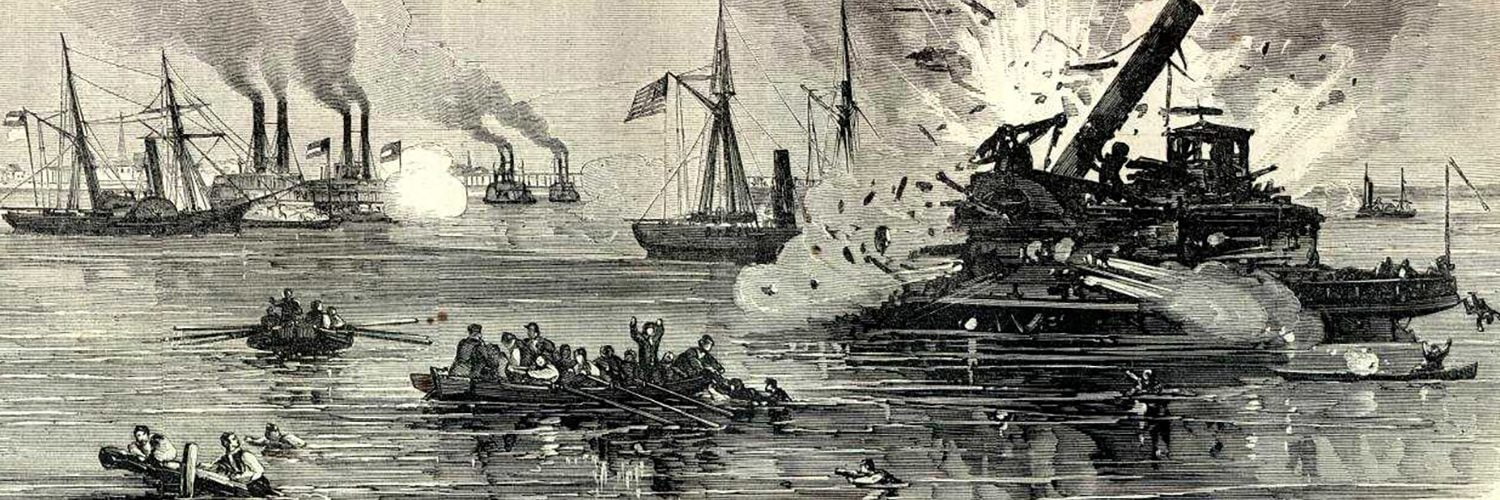
The Battle of Galveston really comes to life with the insight of Ed Cotham. This often overlooked occurrence changed the direction of the port of Galveston. The story of the people and place become real through this walking tour. – Dwayne Jones, GHF Executive Director
Join noted historian Ed Cotham for a walking tour of downtown Galveston as he shares the history of this battle and offers access to view the setting from locations including the 1859 Hendley Building. Tours will be held on Saturday, January 3, at 10 a.m. and 2 p.m., and Sunday, January 4, 2026 at 12 p.m. Walking tour tickets are $35 per person or $50 per person with Ed Cotham’s latest release. Reservations are required.
ABOUT ED COTHAM
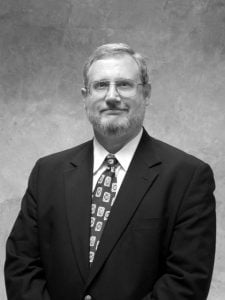 Ed is a former President of the Houston Civil War Round Table and is active in the Civil War preservation movement. In 2011, Ed received the President’s Award for Distinguished Volunteer Service from the Galveston Historical Foundation. He is a Life Member of the Civil War Preservation Trust. He is also a member of the Company of Military Historians, the Society of Civil War Historians, the Southern Historical Association, and the Author’s Guild. He serves as a Texas Marine Steward for the Texas Historical Commission. His published works include Battle on the Bay: the Civil War Struggle for Galveston, which was published in 1998 by the University of Texas Press. His second book, Sabine Pass: the Confederacy’s Thermopylae, was published in August 2004.
ABOUT GALVESTON HISTORICAL FOUNDATION
Galveston Historical Foundation (GHF) was formed as the Galveston Historical Society in 1871 and merged with a new organization formed in 1954 as a non-profit entity devoted to historic preservation and history in Galveston County. Over the last seventy years, GHF has expanded its mission to encompass community redevelopment, historic preservation advocacy, maritime preservation, museum development, and heritage tourism. GHF embraces a broader vision of history and architecture that encompasses advancements in environmental and natural sciences and their intersection with historic buildings and coastal life, and continues to lead on local, state, and national levels with research-driven programs that build awareness of preservation’s role in cultural identity and stewardship across generations.